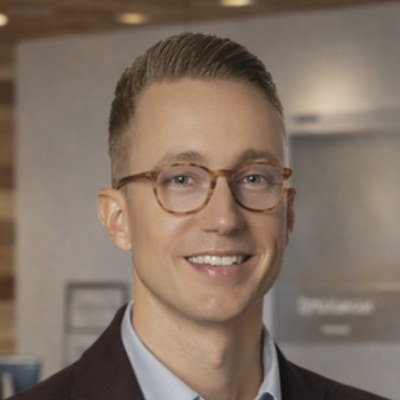
 Founded by Jeffrey Brower, MD, PhD, practicing oncologist
10+ years as an editor for oncology journals, educational resources and accrediting bodies About the founder →
Oncology data is accumulating faster than ever.
So is burnout.Staying current is essential to patient care, but finding the time is increasingly difficult.Enter CarcinoS.A physician-developed platform that uses a rigorous, multistage evidence-selection pipeline, with minimal reliance on AI, to continuously identify, score, and curate the most important new oncology research, FDA approvals, and guideline updates.Personalized to your preferences. Reviewed by a physician. Delivered to you Tuesday evening only when practice-impacting.
Each card is assigned a tier. Only Practice-Impacting cards are sent to you as alerts, based on your preferences.A real example, annotated.
Study / regimen: Patients with SCLC and brain metastases suitable for SRS (≤4 cm each, total volume ≤30 cm³, ≥5 mm from the hippocampi).
Key findings: Neurocognitive failure was not significantly different with SRS vs HA-WBRT + memantine (adj. HR 0.83; P=0.39), while OS favored SRS (median 17.4 vs 8.6 mo; adj. HR 0.60; P=0.016).
So what (clinical implication): SRS can be considered a standard option for selected patients with SCLC brain metastases, a population historically excluded from SRS trials. The large OS difference warrants longer follow-up.
~800 new papers scanned~20 make it through scoring2–4 practice-impacting alerts sent to you
That's over 99% less for you to sift through each week. Everything else worth knowing stays searchable on the site.
Live digest
See what CarcinoS surfaces this week
Browse the current week's curated oncology updates — no account required.
View this week's digest →OpenEvidence answers your clinical questions.
CarcinoS brings you the evidence that matters—without you ever having to ask.
Staying current in oncology is a challenge. CarcinoS allows me to focus on patient care while feeling confident I'm not missing the few updates that actually impact my patients.
Radiation Oncologist · Academic Medical CenterThe best part of CarcinoS is its focus on what is truly salient to my current practice, rather than filling the feed with random, low-value articles. The updates are concise, and the organized, searchable archive makes it easy to go back and find important developments from prior months.
Medical Oncologist · Academic Cancer CenterCarcinoS complements tools like OpenEvidence. Rather than simply providing quick answers, CarcinoS helps physicians stay informed, engaged with new evidence, and continue learning for themselves.
Radiation Oncologist · Community Cancer Center
Founded by Jeffrey Brower, MD, PhD, practicing oncologistEverything you need to know before signing up.
Those tools answer questions you already know to ask. CarcinoS works the other way: it monitors the literature continuously and tells you when something appears that could change your practice, before you know to look for it. Selection is done by a deterministic pipeline and a physician editor, not a prompt, and every card links to its original source.
CarcinoS delivers curated weekly updates on the website covering the prior week's oncology literature. Email notifications are reserved for practice-impacting findings and will only be sent to your email when qualifying evidence emerges.
CarcinoS covers all major solid tumor oncology specialties including lung, breast, gastrointestinal, genitourinary, CNS, head & neck, gynecologic, melanoma, sarcoma, and hepatobiliary cancers. Coverage expands continuously.
No. CarcinoS monitors the published oncology literature only. No patient records, clinical notes, or identifiable health information of any kind are ever collected or processed.
AI-assisted triage identifies and scores candidate papers against a structured clinical relevance framework. All tier assignments are reviewed with human editorial oversight from practicing oncologists before publication in the digest.